
Hengrui Environmental Technology Co., Ltd.
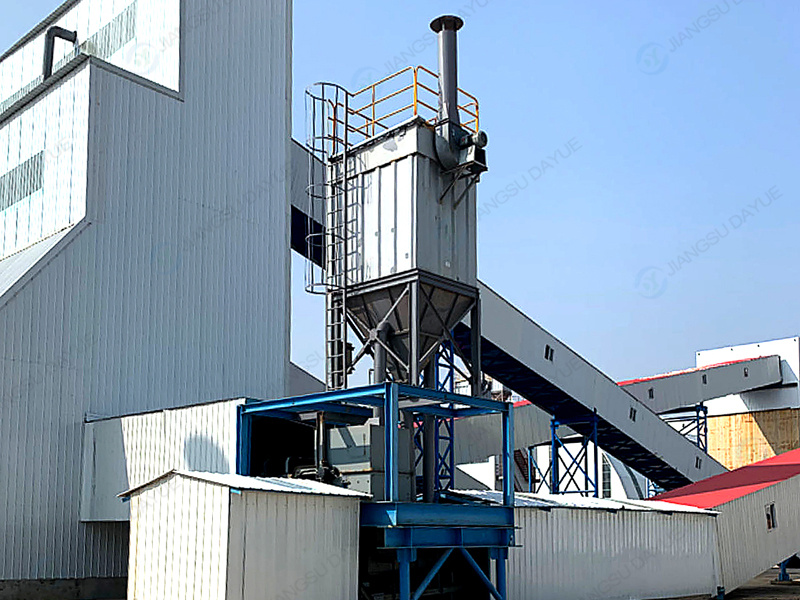
Incoming And Outgoing Belt Conveyor
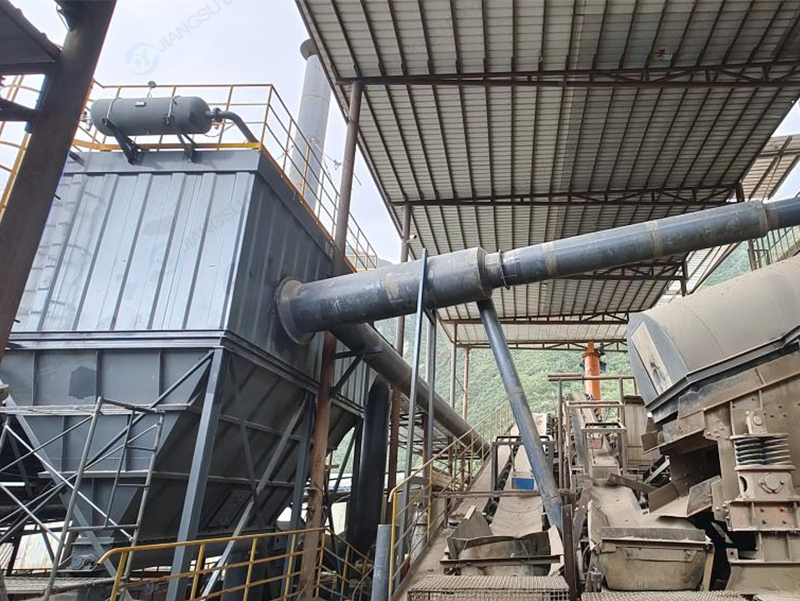
Incoming and outgoing belt conveyor
The feeding and discharging belt conveyor is a material conveying equipment widely used in industrial production. The following is an introduction to the feeding and discharging belt conveyor:
1、 Working principle
The feeding and discharging belt conveyor is mainly composed of conveyor belt, driving device, idler roller, tensioning device, cleaning device, etc. The driving device drives the conveyor belt to operate, and the material is placed on the conveyor belt and transported to the designated position along with the movement of the conveyor belt.
2、 Structural composition
Conveyor belt: It is the main load-bearing and conveying component of a belt conveyor, usually made of materials such as rubber, plastic, fiber, etc. The strength, width, thickness and other parameters of the conveyor belt are determined based on the properties and conveying capacity of the conveyed material.
Drive device: including motor, reducer, coupling, etc., providing power for the conveyor belt. The power of the driving device is determined based on factors such as the conveying length, slope, and conveying capacity of the belt conveyor.
Roller: used to support the conveyor belt and reduce the running resistance of the conveyor belt. The idler is divided into upper idler and lower idler. The upper idler supports the bearing surface of the conveyor belt, while the lower idler supports the return surface of the conveyor belt.
Tensioning device: used to maintain the tension of the conveyor belt and prevent it from loosening. The tensioning device usually adopts methods such as spiral tensioning, heavy hammer tensioning, or hydraulic tensioning.
Cleaning device: used to remove materials adhered to the conveyor belt and keep it clean. Cleaning devices usually use scraper cleaners, brush cleaners, etc.
Import and Export: Used for the feeding and discharging of materials, the shape and size of the import and export ports are determined based on the properties and conveying capacity of the materials.
3、 Advantages
Large conveying capacity: It can continuously transport a large amount of materials to meet the needs of industrial production.
Long conveying distance: It can achieve long-distance material conveying, reduce the number of material transfers, and improve production efficiency.
Simple structure: The structure of the belt conveyor is relatively simple, and it is easy to install and maintain.
Strong adaptability: It can transport materials of various shapes and properties, such as blocks, powders, granules, etc.
Smooth operation: The conveyor belt runs smoothly, with low noise and minimal damage to the material.
4、 Disadvantages
Large footprint: The length of the belt conveyor is relatively long, requiring a significant amount of space.
High energy consumption: The driving device requires a certain amount of electrical energy, especially in long-distance transportation and large transportation volumes, resulting in high energy consumption.
Conveyor belt is prone to wear: The conveyor belt is subject to friction and impact from materials during operation, making it prone to wear and requiring regular replacement.
High environmental requirements: The belt conveyor generates certain dust and noise during operation, which has a certain impact on the environment and requires corresponding environmental protection measures.
5、 Application Fields
Mining: Used for transporting materials such as ore and coal.
Metallurgy: Used in the metallurgical industries such as steel and non-ferrous metals to transport raw materials, finished products, etc.
Building materials: Material transportation in the production process of building materials such as cement, lime, sand and gravel.
Chemical industry: transportation of chemical raw materials and products.
Electricity: coal transportation for thermal power plants, etc.

.jpg?x-oss-process=image/resize,w_100/quality,q_100)
Contact US
Product Information
Quantity
Unit
Piece
Support order samples, customization, wholesale direct, and complete payment. If the product you look for does not have corresponding customized content, pls fill out the form below to contact us, and we will reply ASAP.